
Overview
Fleas are tiny, wingless, blood-feeding insects that most Ontario homeowners meet through a pet — but the pet is only the visible part of the problem. The species in virtually every Ontario home is the cat flea (Ctenocephalides felis), and despite the name it is the flea found on dogs, cats, and wildlife alike. What makes fleas so frustrating is arithmetic: the adults you see biting are roughly 5% of the infestation, while 95% — eggs, larvae, and pupae — is hidden in carpets, bedding, and baseboards. A single female can lay up to 50 eggs a day, so a handful of hitchhikers on a pet can become thousands living in your home within weeks. That is why a flea problem is an infestation clock, not a pet-grooming issue, and why our residential pest control approach treats the whole environment, not just the animal.
Identification
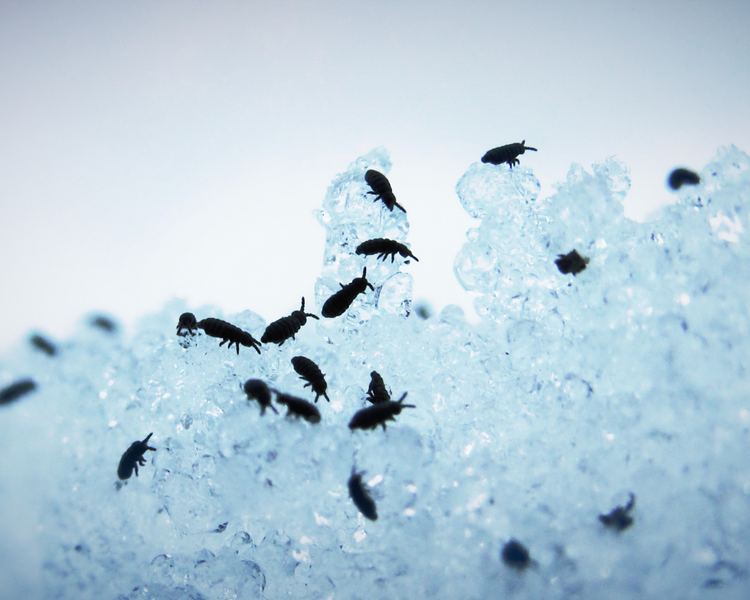
Adult fleas are 1.5–3.3 mm, dark reddish-brown, and — unusually — flattened side-to-side rather than top-to-bottom, which lets them slip through fur. They have no wings but powerful hind legs that let them jump many times their body length, the trait that gives them away. On a pet, part the fur at the base of the tail and on the belly and look for the fleas themselves or for “flea dirt”: pepper-like black specks that turn reddish-brown when dabbed with a damp white cloth, because they are digested blood. The insect most often confused with a flea is the springtail — a harmless, jumping speck found in damp areas.
| Feature | Cat Flea | Springtail | Bed Bug |
|---|---|---|---|
| Size | 1.5–3.3 mm | 1–2 mm | 4–7 mm |
| Movement | Jumps far; fast | Springs erratically | Slow crawl, no jump |
| Colour | Dark reddish-brown | Grey, white, or dark | Reddish-brown |
| Where found | On pets, in carpet, bedding | Damp soil, sinks, drains | Mattress seams, bed frame |
If it jumps off a pet and leaves itchy bites around your ankles, it is a flea; a springtail near a damp windowsill or drain is a nuisance, not a biter.
Life Cycle
Fleas pass through four stages — egg, larva, pupa, adult — and the timing is what defeats DIY. In the warm, humid conditions of an Ontario summer, the full cycle can finish in as little as 14 days. A female lays up to 50 eggs a day directly on the host; the smooth eggs roll off the animal and settle into carpet fibres, upholstery, and bedding. Larvae hatch and feed on organic debris and adult flea feces for weeks before spinning cocoons. Pupae are the problem stage: protected in their cocoons, they can lie dormant and emerge days or even weeks later, after a treatment has dissipated — which is exactly why a single visit rarely ends an infestation and follow-ups are essential.
Habitat & Behaviour
Adult fleas spend their time on a warm-blooded host, feeding and breeding, and are drawn out by warmth, movement, and carbon dioxide. The immature stages, however, live in the environment — concentrated wherever the pet rests. Carpets, area rugs, the cracks between floorboards, upholstered furniture, and pet bedding are the nurseries, along with shaded, humid outdoor spots where pets lie down: under decks, porches, and in tall grass. Because the population is anchored to the pet’s routine, the heaviest concentrations are along the routes and rest areas your animal uses most.
Diet
Adult fleas feed exclusively on blood, biting the host many times a day. Larvae do not bite; they scavenge organic debris and the dried blood (“flea dirt”) that adult fleas excrete, which is why flea dirt in pet bedding is both a diagnostic sign and a food source sustaining the next generation. Fleas will bite people readily when a preferred host is unavailable, typically around the ankles and lower legs.
Signs of Infestation
- A pet scratching, biting, or grooming more than usual, often with irritation at the base of the tail and belly.
- Flea dirt — pepper-like black specks in the pet’s coat and bedding that smear reddish-brown when moistened. One of the most reliable signs.
- Live fleas seen jumping on carpets, rugs, or furniture, or spotted on the pet with a flea comb.
- Itchy bites in clusters or lines around human ankles and lower legs.
- Hair loss or scabbing on the pet from constant scratching, in heavier or allergic cases.
Damage Caused
Fleas do not damage the structure of a home, but an established infestation is genuinely disruptive: contaminated bedding and upholstery, persistent bites, and a pet in visible discomfort. The practical cost is the coordinated cleanup — repeated vacuuming, hot-washing, and treatment across the whole house — and, if the infestation is left to run, the way it spreads room to room as the pet moves. A small flea problem in June can become a household-wide one by late summer.
Health Risks
Fleas are more than a nuisance. According to Health Canada, fleas can transmit parasites such as tapeworms and diseases including typhus, and some people and pets develop flea allergy dermatitis — an allergic reaction to flea saliva that causes an intensely itchy rash. In animals, heavy infestations can cause hair loss from constant scratching and, in severe cases, anemia from blood loss, a real danger for young or small pets. Flea bites on people often appear in itchy clusters that can stay inflamed for weeks. This health angle is a strong reason not to “wait it out.”
Seasonal Activity in Ontario
Flea pressure builds through the warm, humid months, and Health Canada reports peak flea season across most of Canada runs from early August to early October. Ontario’s hot, muggy summers in Toronto, Mississauga, Vaughan, and Barrie create ideal breeding conditions, especially in carpeted homes with pets. The trap is assuming fleas are only a summer problem: homes with central air conditioning and heating give fleas a stable, climate-controlled environment to breed year-round. A summer infestation that is not cleared at the source routinely carries into fall and winter inside a heated Ontario home. Treating in June or July, ahead of the late-summer peak, is the cheapest insurance available.
Where They Hide
The adults hide in the pet’s coat; the rest of the infestation hides in the home. Focus on carpets and area rugs (down at the base of the fibres, where vacuuming and store sprays struggle to reach), cracks between floorboards and along baseboards, the seams and cushions of upholstered furniture, and above all pet bedding and the spots where the animal sleeps. Outdoors, check shaded, humid rest areas — under decks and porches, and in tall grass — where pets lie down and drop eggs.
How They Enter Homes
Fleas arrive on a host. Most often that is a family dog or cat that picks them up on a walk, in the yard, or from another animal. But they also ride in on wildlife — raccoons, squirrels, and other animals denning near or under the home — on used furniture, and on visiting pets. Because fleas will bite people and can establish in a warm home, an infestation can begin even in a household without a resident pet — the same indoor-biting pattern seen with bed bugs. Sealing wildlife entry points and inspecting second-hand furniture reduces the introductions you can control.
Prevention Tips
- Keep pets on a vet-recommended flea preventive year-round — it protects the animal but does not, on its own, clear an established home infestation.
- Vacuum daily during any active problem — carpets, rugs, cushioned furniture, baseboards, and cracks — and empty the canister or bag outside each time.
- Wash pet and family bedding in hot water regularly, lifting blankets by all four corners so eggs do not scatter.
- Steam-clean carpets to reach larvae that vacuuming misses.
- Use a flea comb on the pet near the neck and tail, dropping captured fleas into hot, soapy water.
- Mow and rake the yard and keep pet rest areas clean to discourage flea-carrying wildlife.
- Seal wildlife entry points under decks, porches, and into the home.
DIY vs. Professional Treatment
The single most important rule with fleas is that the pet and the home must be treated together, at the same time — treat one and the untreated side simply re-seeds the other. DIY can work for a very early, mild problem if you pair a vet flea product with relentless daily vacuuming and hot-washing. For anything established, store foggers and sprays rarely reach the eggs and dormant pupae buried in carpet, so homeowners commonly spend months and repeat purchases before calling a pro — the honest trade is your time and consistency versus a scheduled professional visit.
Professional control targets every stage of the cycle and is timed to catch newly emerged adults, which is why the CDC recommends two or more treatments spaced days apart, and why a “one-and-done” special can mislead. Sani IQ’s integrated pest management approach treats adults on the floor plus the eggs and pupae in the carpet, using products registered with a Pest Control Products (PCP) number, and stands behind the work with our Pest-Free-Or-It’s-Free guarantee. For real numbers, see our 2026 flea treatment cost guide and flea price breakdown, or the flea season alert for why timing matters. Compare plans and pricing or request a free quote.
References
Last updated: July 16, 2026 · Reviewed by Sani IQ licensed technicians