
Overview
Ontario’s mix of ravine corridors, mature tree canopy, older rooflines, and cottage-country woodlots puts wildlife right up against homes — and a warm, dry, predator-free attic or a sheltered space under a deck is exactly what a denning animal wants. Raccoons, squirrels, bats, skunks, pigeons, and nuisance birds are the species Ontario homeowners meet most often, and each brings its own mix of property damage, health risk, and legal complication.
Wildlife is not like insect pest control. You cannot simply trap and haul an animal across the region: Ontario law caps where a captured animal can be released, bats are legally protected, and removing a mother during maternity season orphans young that then die inside your walls. The right response is almost always humane removal timed around the young, followed by permanent sealing of the roofline. This guide covers how to identify each species, the damage it does, and where the law draws the line.
How to Tell Ontario’s Wildlife Apart
Sound, timing, and where you find the damage separate the species most homeowners encounter. Click through to each guide for full detail.
| Animal | Size | Where you find it | Main risk | Active |
|---|---|---|---|---|
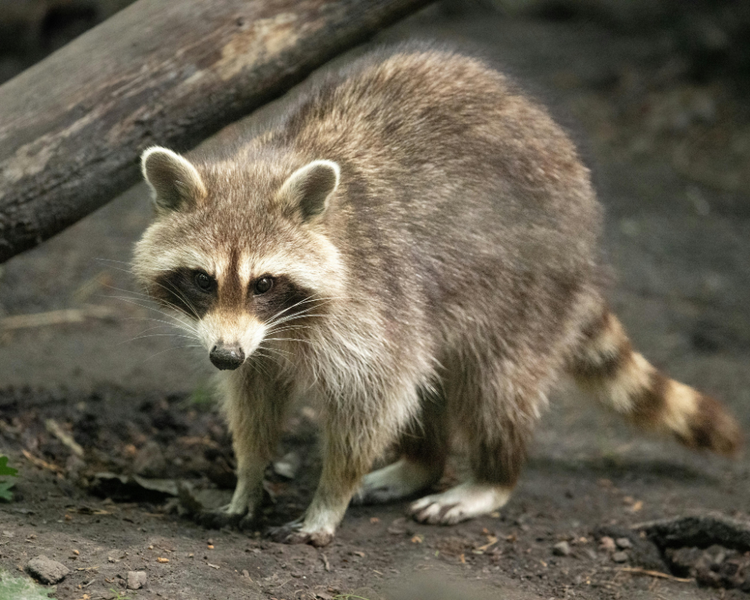
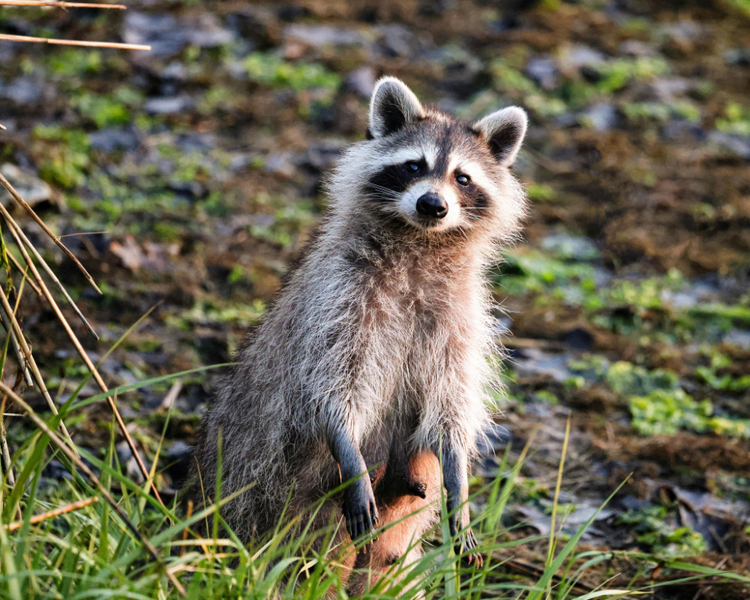
| Raccoons | 5–12 kg | Attics, chimneys, under decks | Roundworm, structural, rabies | Night; year-round |
| Squirrels | 300–600 g | Attics, soffits, wall voids | Chewed wiring / fire, insulation | Day; year-round |
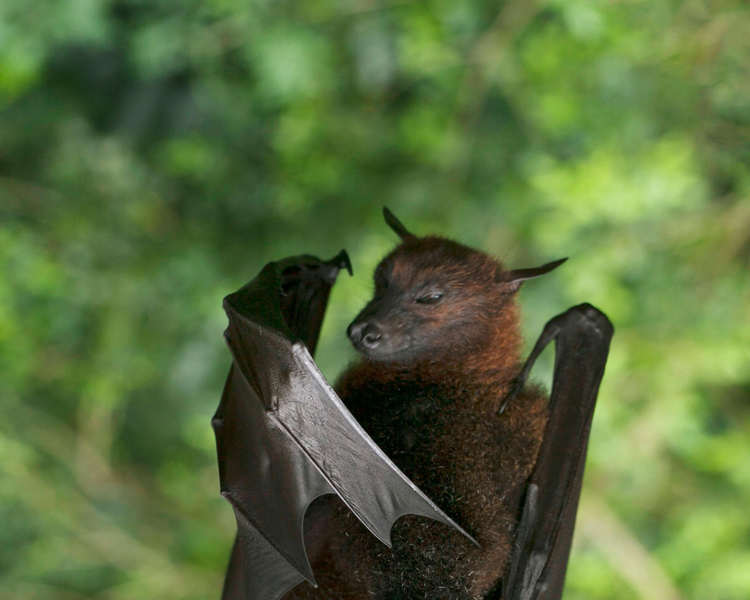
| Bats | 5–30 g | Attics, soffits, ridge vents | Rabies, histoplasmosis | Dusk; May–October |
| Skunks | 2–5 kg | Under decks, sheds, porches | Spray, rabies, lawn digging | Night; spring–fall |
| Pigeons | 300–500 g | Ledges, balconies, signage, rooftops | Droppings, disease, corrosion | Day; year-round |
| Nuisance birds | Varies | Vents, eaves, commercial sites | Droppings, nesting, blocked vents | Day; year-round |
The most common early mix-up is squirrels versus raccoons in the attic: squirrels are lighter, with quick daytime scurrying, while raccoons produce heavy thumps and chittering at dawn and dusk. Bats give themselves away with high-pitched squeaks and droppings under a soffit rather than movement across the ceiling.
Damage & Health Risks at a Glance
The danger from attic and backyard wildlife is usually underestimated because the first symptom is only noise. The real risks are specific and serious:
- Fire — raccoons and squirrels gnaw electrical wiring, a documented house-fire hazard, and shred insulation for nesting.
- Raccoon roundworm — roughly 95% of Ontario raccoon feces carry Baylisascaris procyonis, whose eggs can cause a hard-to-treat, potentially fatal infection in people and pets. A raccoon latrine needs professional decontamination, not a broom.
- Rabies — bats are Ontario’s leading rabies carrier, followed by raccoons, skunks, and foxes. A bat bite can be too small to see or feel.
- Histoplasmosis — accumulated bat and bird droppings can harbour a fungus that infects the lungs when disturbed dry.
- Structural and sanitation damage — torn soffits, corroded surfaces from acidic droppings, blocked vents, and contaminated insulation.
For a full walk-through of rabies precautions, see our guide on handling wildlife encounters safely, and note the commercial angle: pigeon and starling droppings on food-service and warehouse sites are both a health-code and a corrosion problem.
Seasonal Pattern in Ontario
Wildlife pressure tracks the calendar closely. Spring brings the first denning push as raccoons and squirrels birth litters and skunks move under decks. Late June is a second raccoon birthing period and peak baby season — the reason a mother claims a quiet attic mid-summer. Bats roost through the summer maternity season, roughly May to mid-August, and can only be legally excluded once pups can fly, from mid-August through October. Fall drives squirrels and mice to seek warmth indoors as temperatures drop. Pigeons and non-migratory birds stay active year-round, nesting on ledges and in vents whenever a site is available. Cottage country — Muskoka, Orillia, Lake Simcoe — sees concentrated pressure on seasonally-closed cabins that sit undisturbed for weeks.
When to Call a Professional
Wildlife is one area where DIY reliably backfires. Trapping a mother during maternity season orphans hidden young; sealing an active entry traps animals in the wall; and Ontario’s one-kilometre release rule means a homeowner cannot legally solve the problem by driving an animal to a park across town. With bats, DIY removal is outright illegal. The efficient path is a licensed inspection that identifies the species and every entry point, humane removal of the whole family together, decontamination of any latrine or guano, and permanent sealing so the next animal can’t move in. Sani IQ handles wildlife removal across the GTA, York Region, and Simcoe County, backed by our Pest-Free-Or-It’s-Free guarantee. When the noise overhead starts, the cheapest move is to identify the species early — book an inspection before a single animal becomes a litter.
References
- Ontario — Harass, capture or kill a wild animal damaging private property
- Government of Ontario — Rabies in Ontario
- CDC — Histoplasmosis Prevention
Last updated: July 16, 2026 · Reviewed by Sani IQ licensed technicians