
Overview
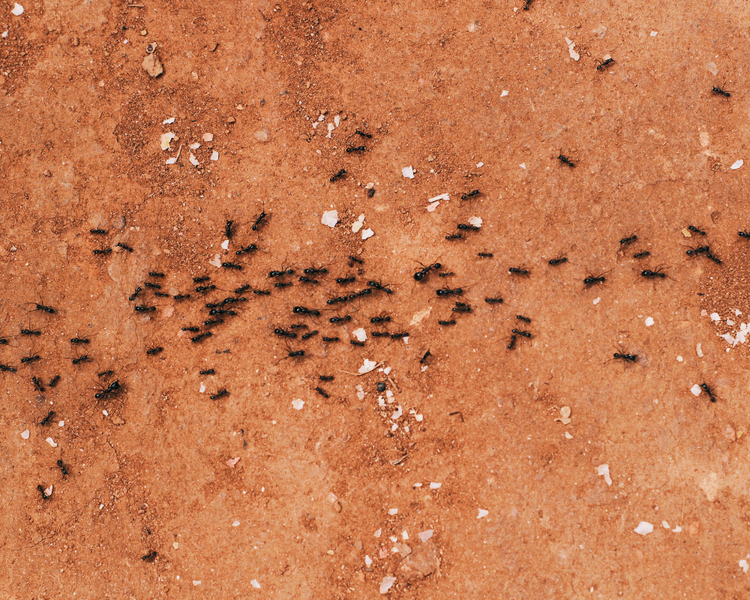
Ants are the number-one nuisance pest across Ontario, and for good reason: a colony can hold thousands of workers, several queens, and a network of satellite nests, all hidden from view while a single trail marches across your counter. The ants you see are a tiny fraction of the whole. Ontario homeowners meet six species most often, and telling them apart is the entire game — because the harmless pavement ants on your patio call for a different plan than the carpenter ants hollowing out a damp windowsill. This guide covers what each looks like, the risk it carries, and when a trail is worth a second look. For pricing, see our Ontario ant control cost guide.
How to Tell Ontario’s Ants Apart
Size and colour rule out most mistakes at a glance; behaviour and smell confirm it. Use this table alongside the species cards above, then open the page for the ant you think you have.
| Species | Size | Colour | Tell-tale sign |
|---|---|---|---|
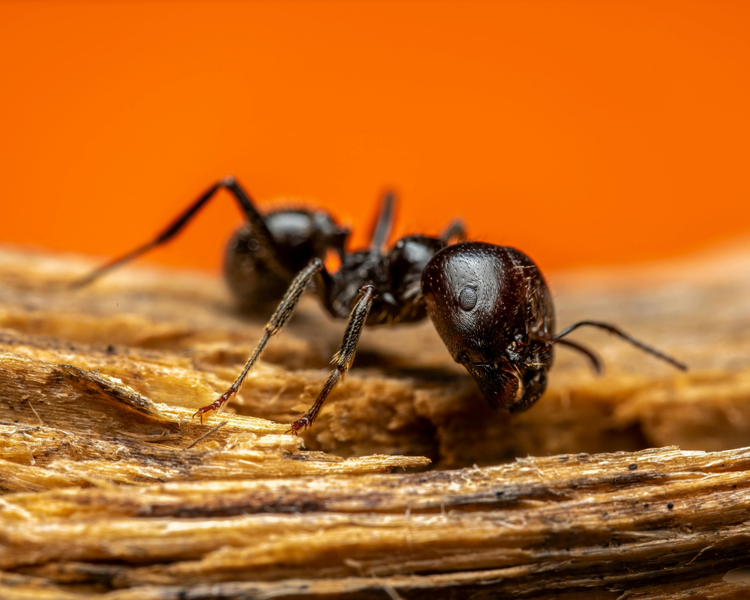
| Carpenter ants | 6–17 mm | Jet black or red-and-black | Sawdust-like frass; large ants at night |
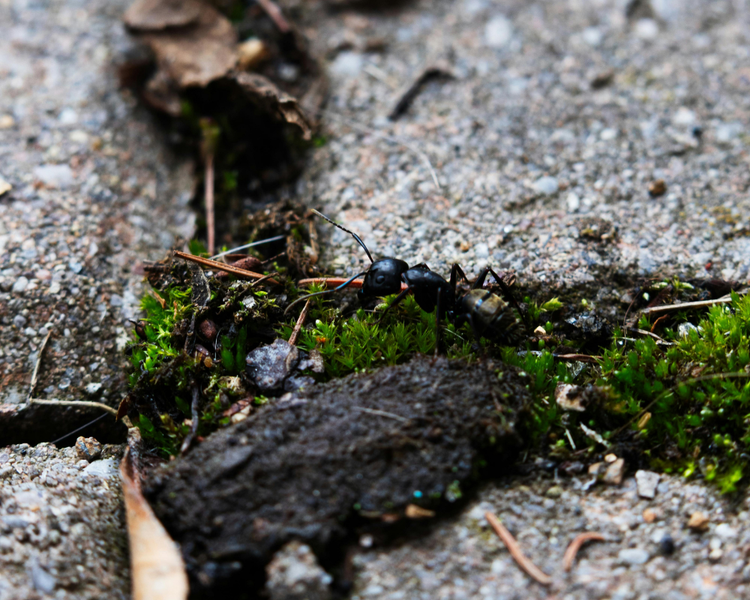
| Pavement ants | 2.5–4 mm | Dark brown to black | Sand piles at driveway and slab cracks |
| Pharaoh ants | 1.5–2 mm | Pale yellow to light brown | Tiny indoor trails; multiple scattered nests |
| Odorous house ants | 1.5–3.2 mm | Brown to black | Rotten-coconut smell when crushed |
| Acrobat ants | 1.5–3 mm | Light brown to black | Heart-shaped abdomen raised when disturbed |
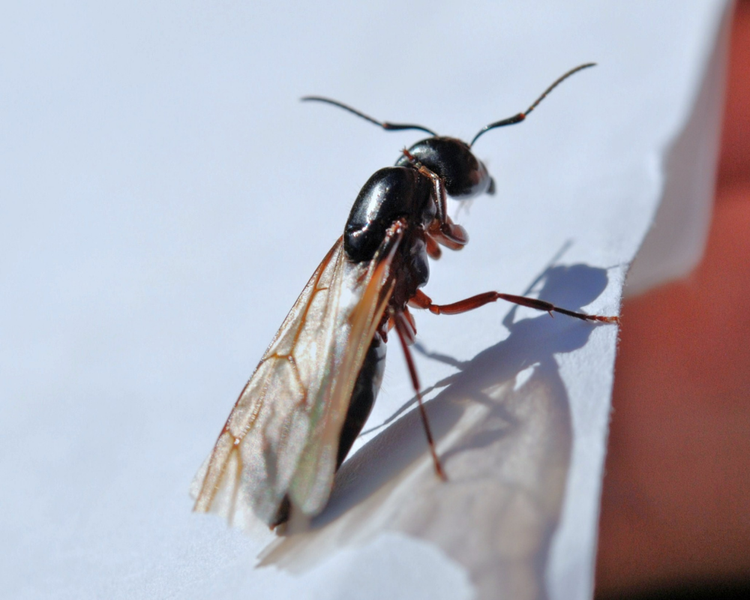
| Flying ants | Varies by species | Varies | Winged swarmers — reproductives of any species |
The flying ants row is the exception: winged “flying ants” are not a species but the reproductive swarmers any mature colony produces once a year, which is why identifying the body underneath the wings matters.
Damage & Health Risks at a Glance
Most Ontario ants are nuisances, not hazards — but two carry real weight. Carpenter ants excavate galleries through moist structural wood and, left for years, can weaken sills, joists, and headers. Pharaoh ants are the health-risk species: they can carry over a dozen pathogens including salmonella and staphylococcus, which is why they’re a serious problem in hospitals, care homes, and food premises. Pavement, odorous house, and acrobat ants don’t sting and rarely bite; their cost is contamination of food surfaces and, for acrobat ants, occasional stripping of insulation from wiring. None of Ontario’s common house ants are dangerous to healthy adults, but any ant foraging across food-prep surfaces matters for restaurants and commercial kitchens under health inspection.
Seasonal Pattern in Ontario
Ontario ant activity tracks the calendar closely. Colonies wake with the spring melt in April, expand fast through May and June as queens ramp up egg-laying, and peak in the heat of July when dry spells push foragers indoors hunting for moisture. Late June into July brings the flying-ant swarms — mature colonies releasing winged reproductives on warm, humid, low-wind afternoons. Activity tapers through late summer and fall as temperatures drop. The exception is indoor-nesting species: pharaoh ants stay active year-round in heated buildings, and carpenter ants in an interior satellite nest keep working through an Ontario winter. A winter ant sighting almost always means a nest is inside the structure.
When to Call a Professional
A single early trail of nuisance ants often responds to sealing entry points, cutting off food, and patient baiting. Call a professional when the trail keeps returning after two weeks, when you see large black ants indoors at night or fine sawdust near wood, when winged ants emerge inside the house, or any time you suspect pharaoh ants — because spraying them makes the infestation spread. Ontario also restricts many of the most effective ant products to licensed applicators, which is a large part of why professional treatment lasts where retail sprays don’t. Sani IQ identifies the species, traces the nest instead of chasing trails, and backs the work with a Pest-Free-Or-It’s-Free guarantee across residential and commercial properties. See what treatment costs or book an inspection.
References
- Health Canada — Ants (Pest Control Tips)
- PestWorld / NPMA — Ant Pest Guide
- University of Minnesota Extension — Ants
Last updated: July 16, 2026 · Reviewed by Sani IQ licensed technicians