
Something Living in Your Chimney? What to Do Before You Light the First Fire
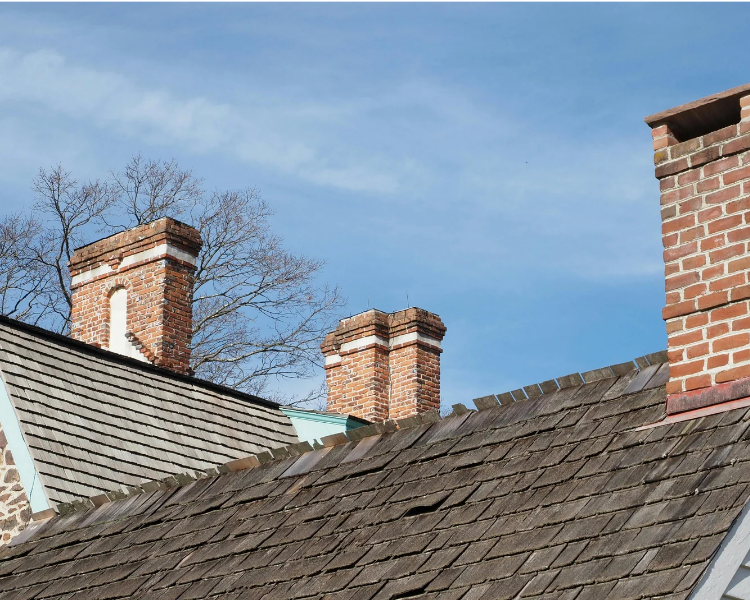
Quick answer: If you can hear scratching, fluttering or scrabbling inside the chimney, assume something is alive in the flue and leave the damper closed. Do not light a fire to drive it out, and do not cap the chimney yet — capping a flue with an animal inside creates a dead animal in a sealed shaft, which is a far worse problem than the one you started with. The sequence that works is confirm what it is, give it a way out, confirm it has gone, then cap the chimney permanently so the next one can’t get in. Call (705) 302-1887 and we’ll start with the inspection rather than the guesswork.
The Noise in the Chimney Is Not the Same Problem as a Noise in the Attic
Most of what Ontario homeowners hear in a house in late November comes from the attic or inside a wall cavity, and most of it is a rodent. A chimney is a different situation and it deserves a different response.
An attic is a room. Whatever gets into it can usually get back out the way it came, move around, find food elsewhere and return. A chimney is a vertical shaft with smooth sides, and once something drops into it, getting back out is not a given. That one structural fact changes everything about how the problem should be handled — including the single most common first move, which is almost always the wrong one.
It is also a seasonal problem with a very specific geography. The neighbourhoods where we get the most chimney calls are the ones with the oldest masonry — the post-war and mid-century housing that makes up much of Etobicoke and the older parts of the GTA, where a working chimney is standard and the cap on top of it may be decades past its service life.
So before anything else: if the sound is coming from the fireplace side of the house, treat it as its own problem, not as “we’ve got something in the house again.”
The Common-Sense First Move Is the Dangerous One
The instinct is to light a fire. It feels logical — heat and smoke go up, the animal is up, the animal leaves.
It does not work that way, and it is the fastest way to turn a wildlife call into a repair bill.
Animals that can climb out generally climb out well before the smoke reaches them, which means the fire was unnecessary. Animals that cannot climb out — and in a lined flue that is most birds and most young animals — do not escape. They die in the shaft. Now you have a carcass lodged partway up a chimney you cannot reach, an odour that will work its way into the living room for weeks, and in many cases a partial blockage made of nesting material that was already up there.
A blocked flue is not just unpleasant. A chimney’s job is to carry combustion gases out of the house, and anything packed into that shaft interferes with it. That is the real reason this matters more than the noise does.
The second instinct is nearly as bad: opening the damper to have a look. A closed damper is the only thing standing between an animal in the flue and your living room. Open it and a panicked animal has a direct route into the house, usually at the worst possible moment.
Who Actually Gets Into Ontario Chimneys
Four groups, and they behave differently enough that identifying which one you have changes the plan.
Birds. The most common, and the ones least able to get themselves out. Many species are drawn to a chimney for exactly the reason you’d expect — it looks like a hollow tree. Nesting material accumulates fast, and a nest built partway down a flue is both a blockage and a fire hazard.
Squirrels. Agile and capable climbers, which means a squirrel in a chimney often isn’t trapped at all — it’s using the shaft, and it has probably found a way into the attic from there. If you’re hearing daytime activity overhead as well as in the chimney, you’re likely dealing with a structure problem rather than a chimney problem. We’ve written separately about what’s happening in Ontario attics at this time of year.
Raccoons. Strong, heavy, and perfectly capable of climbing a masonry flue. A raccoon in a chimney is usually there on purpose, treating the smoke shelf as a den site. This is the group most likely to go from “noise” to “damage” quickly, because a raccoon that decides it wants into the attic generally gets there.
Bats. A separate situation entirely, with legal constraints on when and how they can be excluded. Do not improvise here — we’ve set out what you can and can’t legally do about bats in Ontario.
Across all four, the common thread is that the chimney is rarely the whole story. It is an entry point to a building, and by the time something is using it, it is worth knowing what else on that roofline is open.
Why a Chimney Is Such Good Habitat in Late November
A masonry chimney in an older Ontario neighbourhood is close to ideal shelter heading into winter. It’s sheltered from wind and rain, it’s elevated and therefore safe from most ground predators, and in an occupied house it is noticeably warmer than the air outside.
Add to that the condition of the chimney itself. Older masonry crowns crack. Mortar joints open up. Caps rust out, get removed during a roof job and never get replaced, or were never fitted in the first place. None of that is unusual, and none of it is visible from inside the house.
So the question worth asking isn’t “why is something in my chimney” — it’s “what has been open up there, and for how long.”
What You Can Safely Check From Inside
Without opening the damper and without going on the roof:
- Listen at different times of day. Daytime scrabbling points toward squirrels or birds. Activity that starts around dusk points toward raccoons or bats. This matters more than it sounds like it should, because it narrows the group before anyone climbs anything.
- Listen for how it moves. Fluttering and scratching against the sides suggests something trying to climb out and failing. Steady, heavy movement in one spot — usually on the smoke shelf just above the damper — suggests something settled in.
- Check the firebox for debris. Twigs, leaf litter, mortar crumbs or droppings in the firebox mean material has been coming down the flue.
- Check for an odour. A strong smell with no noise is a different and more urgent conversation.
- Look up at the chimney from the ground, from the street. You can often see a missing or damaged cap, or a bird going in and out, without going anywhere near the roof.
That’s the extent of safe homeowner diagnosis. Roof work on a cold, possibly icy November roofline is not a DIY job, and neither is reaching into a flue.
What Not to Do, Specifically
- Don’t light a fire. Covered above, and it is the one that does the most harm.
- Don’t open the damper to look.
- Don’t cap or screen the chimney until you know it’s empty. This is the most common well-intentioned mistake. Sealing a flue with something alive inside guarantees the outcome everyone was trying to avoid.
- Don’t pour anything down the flue. Repellents, ammonia, mothballs — none of it reliably moves an animal out of a shaft, and several of those are misuse of the product.
- Don’t try to trap it yourself. Beyond the handling risk, trapping removes the individual and does nothing about the opening, which is the part that actually determines whether this happens again.
How a Proper Chimney Exclusion Actually Works
The method is the same one that underpins everything we do on rodents, applied to a different structure: you don’t seal first and hope. You confirm, you give it an exit, you verify, then you close it permanently.
Inspection first. What’s in there, how it’s getting in, and — the part that gets skipped — what else on that roofline and soffit line is open. A chimney is almost never the only gap on a house that has one.
An exit, not a trap. Where the animal can leave on its own, the work is to make leaving the easy option and re-entry impossible. Where it can’t leave on its own — a bird or a young animal in a lined flue — it has to be physically removed before anything is closed.
Verification. Nothing gets capped on the assumption that it’s empty. This is the same reason we don’t seal a house against mice on day one: sealing before you’ve verified is how animals end up dying inside a building envelope, and the odour and the second problem that follows are entirely avoidable.
Then the cap. A properly fitted stainless chimney cap with mesh sides is the permanent answer. It keeps wildlife, rain and debris out of the flue while letting the chimney do its job. Everything before it is temporary; this is the part that stops you having the same conversation next November.
Then the rest of the envelope. If a chimney was open, something else usually is too — soffit returns, roof-line gaps, vent screens, the places nobody looks at from the ground.
The Part Where Timing Actually Matters
Two reasons not to sit on this.
The first is the flue itself. If you intend to use the fireplace this winter, a chimney with nesting material in it needs to be dealt with before the first fire, not after you’ve already lit one and noticed the smoke is behaving strangely.
The second is that November and December are when a sheltered cavity stops being an option and starts being a necessity. The animals have the same deadline you do. A gap that was ignored in September gets used in December.
Getting It Looked At
If there’s noise in the chimney, the useful next step is someone on the roof who can tell you what’s in there and what’s open, rather than a guess from the living room.
Our technicians are employed, licensed and background-checked, and Sani IQ is licensed under the Ontario Pesticides Act and registered with the Ministry of the Environment, Conservation and Parks. We’re BBB Accredited. Where a treatment is part of the answer, we use reduced-risk products and we tell you what’s being used and why.
The inspection fee is credited back in full when you go ahead with the work, so the diagnosis doesn’t cost you anything if you proceed.
Call (705) 302-1887, or take the quick quote quiz and we’ll come back to you with what this looks like for your house. If you want the broader picture of how we handle animals in and around a building, our wildlife removal page covers the approach. And if birds are the issue specifically, our library entry on pigeons and roosting birds is a useful starting point for identification.
Frequently Asked Questions
How do I know if it’s in the chimney or in the wall beside it? Sound carries along a flue, so this is genuinely hard to judge from inside. The useful tells are debris in the firebox and a visible gap or missing cap at the top of the chimney — both point to the flue. If there’s no debris and no visible opening up top, you may be hearing a wall or attic cavity instead, which is a different job.
Can I just put a screen over the top myself? Not until the flue is confirmed empty — and even then, a loose screen or hardware cloth lashed over a crown tends to fail within a season or two and can restrict draft in ways a purpose-built cap won’t. The screening is the easy part; knowing the chimney is empty before you do it is the part that matters.
Something has been in there a while and now there’s a smell. What happens? Then the priority changes from exclusion to removal and cleanup, and the flue needs to be checked for blockage before the fireplace is used at all. Tell us about the odour when you call — it changes how we approach the visit.
Will it leave on its own once it gets cold? Usually the opposite. Cold weather is the reason it’s there. Animals that can leave on their own will come and go, but they’ll keep coming back to a shelter that works, and the ones that fell in and can’t climb out won’t leave at all.
Does this come back next year? Only if the opening does. That’s the whole argument for capping the chimney rather than just clearing it: removing the animal solves today, and closing the flue properly solves the next several winters. Our year-round program is built the same way — treat the problem, verify it’s actually resolved, then seal the entry points, with a 12-month warranty and no monthly fees. You’re billed after each visit. The quote quiz will tell you what that looks like for your house.
SERVICE IN YOUR AREA
Dealing with this right now? Mice & rodent control · Mice control in Etobicoke
⚡ NO PHONE CALL NEEDED
Know your exact price in 60 seconds3 quick questions — matched to the right treatment with real, published pricing. Instantly.
Take the Quiz📖 FREE EXPERT RESOURCE
Identify any Ontario pest69 free identification guides — photos, habits, risks and prevention. No sales pitch, just answers.
Browse the Pest Library🛟 HELP CENTRE
Before & after your visitPrep checklists, what to expect and aftercare — written by our technicians so your treatment works the first time.
Visit the Help CentreFix it today. Keep it fixed all year.
Mice? The Sani IQ Rodent Program: $445 at the first visit, then $150 a quarter, 12-month warranty. Bugs too? Protect from $249 a visit.
Every visit is billed after it's done — no monthly fees. Free re-service if anything returns between visits, a photo report every time, and the stations stay in all year on the Rodent Program.