
Ticks in Pickering: Rouge Park, Lyme Risk & Yard Protection (2026 Guide)
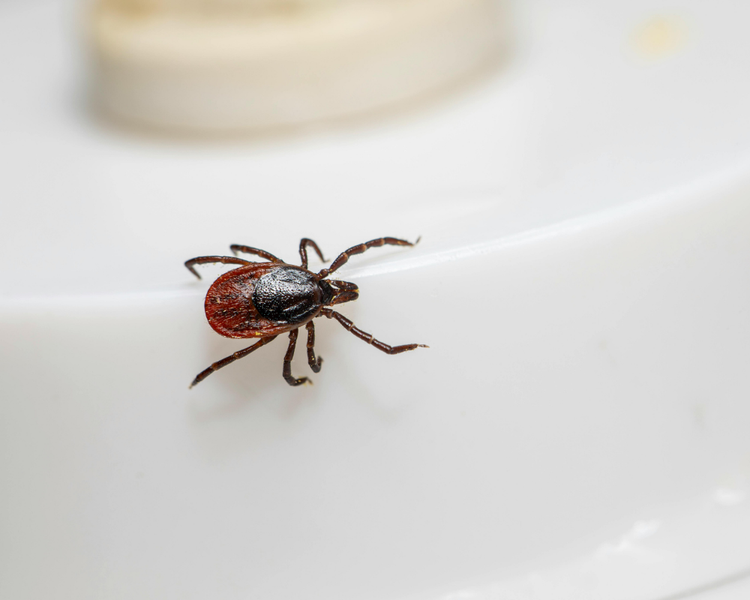
Quick answer: Pickering borders Rouge National Urban Park, where blacklegged (deer) tick populations are established and the Rouge Valley is considered endemic — meaning all tick life stages are present. Roughly 20–25% of Ontario’s blacklegged ticks carry the Lyme bacterium, higher in hotspots. If your Pickering yard backs onto woods, trails or long grass, tick protection isn’t optional — it’s basic yard safety.
If you live in Pickering near Altona Forest, the Duffins Creek corridor, the Seaton trails or anywhere bordering Rouge National Urban Park, ticks are a genuine local health issue, not a rare encounter. Blacklegged ticks are established here, and they don’t stay in the park — they ride deer, mice and birds into yards along the edge. In a well-kept home the standard includes a yard your family and pets can use without a tick check every time, and that’s achievable with the right approach.
Why is Pickering a tick hotspot?
Geography. Pickering sits next to Rouge National Urban Park — over 79 square kilometres of forest, meadow and river-valley habitat with confirmed, established blacklegged tick populations. The Rouge Valley is considered endemic, which means all life stages of the tick — larvae, nymphs and adults — are present, a sign of a fully self-sustaining population rather than the occasional hitchhiker.
That matters because ticks expand outward from those green spaces. Pickering’s mix of conservation lands, creek corridors like Duffins, the Seaton natural areas and ravine-backing neighbourhoods gives ticks both habitat and a path into residential yards, carried by deer, rodents and birds. Tick-borne disease incidence is rising across Durham Region, with tick populations now established region-wide — so the exposure is no longer limited to deep-woods hikes.
| What makes Pickering tick country | Why it reaches your yard |
|---|---|
| Borders Rouge National Urban Park | Established, endemic blacklegged tick population next door |
| Altona Forest, Seaton lands, Duffins Creek | Habitat and corridors carrying ticks toward homes |
| Deer, mice and birds as tick carriers | Ticks ride hosts from green space into yards |
| Ravine-backing neighbourhoods | Shaded, leaf-littered yard edges ticks favour |
| Rising tick activity across Durham | Exposure now region-wide, not just in the park |
How serious is the Lyme risk in Pickering?
Serious enough to take routine precautions. Roughly 20–25% of blacklegged ticks across most of Ontario carry Borrelia burgdorferi, the bacterium that causes Lyme disease, and that figure runs higher in established hotspots. A tick needs time attached to transmit, which is exactly why prompt checks and a low-tick yard matter — they shrink both the chance of a bite and the time a tick stays on.
The most important risk detail is the nymph. Nymphal ticks are tiny — poppy-seed small — and most active in late spring and summer, so they’re easy to miss and account for many Lyme cases. For a Pickering family using the backyard all summer, reducing the tick population in the yard itself is one of the most practical protections available.
What should I do around my Pickering yard right now?
Ticks live in shade, leaf litter and long grass, especially along the wooded edge. A few targeted habitat changes make a yard far less hospitable.
- Mow and trim — keep grass short and cut back long grass and brush, particularly along the back fence and woodland edge.
- Clear leaf litter — rake and remove leaf piles and debris where ticks shelter and stay humid.
- Build a buffer — a band of wood chips or gravel between lawn and woods makes a dry barrier ticks avoid crossing.
- Discourage tick carriers — keep bird feeders and woodpiles away from play areas, and reduce brush that shelters mice and deer.
- Check after outdoor time — do a full-body tick check on people and pets after time in the yard, trails or park, focusing on warm, hidden areas.
These steps lower the risk, but a yard bordering established tick habitat stays under pressure. A targeted perimeter yard treatment knocks down the tick population in the zones your family actually uses, which is hard to achieve with landscaping alone.
Why bordering the Rouge means a local approach
Tick control in Pickering is about the yard and the habitat beside it. A property backing onto Rouge Park or Altona Forest faces continuous tick pressure from the green space, so the work focuses on the edges and high-risk zones, not a single spray of the lawn. Durable pest control in Pickering targets the yard perimeter where ticks concentrate. For the season and the science, see our guides to tick season and the nymph peak and record Ontario Lyme cases.
Why Sani IQ
Sani IQ is a licensed, science-based Ontario pest-control company built on Integrated Pest Management, with 100+ five-star reviews and transparent, published pricing. For ticks we focus on the yard edges, shaded zones and woodland buffers where ticks concentrate, treating the areas your family and pets use most — all backed by our “Pest-Free, OR It’s Free” guarantee. We handle pest control in Pickering and across Durham Region, with residential pest control plans and transparent tick and yard pricing.
The bottom line
Pickering’s location beside Rouge National Urban Park means established, endemic blacklegged ticks right next door — and they reach yards along the edge. With one in four to five Ontario ticks carrying Lyme, routine checks and a lower-tick yard are basic summer safety. Treat the edges, build a buffer, and check after every outdoor session.
Worried about ticks in your Pickering yard? Call (705) 302-1887 or book a quick assessment at /contact/.
Frequently asked questions
Are there really ticks in Pickering, or just in the park? Both. Blacklegged ticks are established in Rouge National Urban Park, where the Rouge Valley is considered endemic, and they spread into surrounding Pickering yards on deer, mice and birds. Tick activity is now established across Durham Region, so exposure isn’t limited to the park itself.
What’s my Lyme risk from a Pickering tick? Roughly 20–25% of blacklegged ticks across most of Ontario carry the Lyme bacterium, with higher rates in hotspots. Not every bite transmits — a tick generally must be attached for a period — which is why prompt removal and fewer ticks in your yard both reduce the risk.
When are ticks most active here? Blacklegged ticks are active whenever it’s above freezing, but the tiny, hard-to-spot nymphs peak in late spring and summer and cause many Lyme cases. Adults are also active in spring and fall. Summer yard use is exactly when protection matters most.
Does a yard treatment actually reduce ticks? Yes, when it targets the right zones. Ticks concentrate along shaded edges, leaf litter and the woodland border, so treating those areas — combined with mowing, clearing litter and a buffer strip — meaningfully lowers the tick population where your family spends time.
How do I protect my pets from Pickering ticks? Check pets thoroughly after time outdoors, talk to your vet about tick preventives, and reduce ticks in the yard itself. Pets that range along the wooded edge are common carriers that bring ticks back toward the house.
Need a Pest Control Expert?
Free inspections. Same-day available. Guaranteed results.