

Overview
Rodents are Ontario’s most persistent household pest, and for good reason: they breed fast, squeeze through gaps you can’t see, and treat a warm house as prime winter real estate. Four species account for nearly every case a homeowner meets here — the house mouse, the deer mouse, the Norway rat, and the far rarer roof rat. Each behaves differently, enters differently, and needs a different plan. The house mouse dominates indoors province-wide; the Norway rat drives the rat surge in Toronto and the older GTA; the deer mouse is a rural and cottage-country concern with a specific disease risk; the roof rat is uncommon in Ontario but worth knowing. In a well-run home, the standard is zero rodent activity — and getting there starts with knowing what you’re dealing with. Our full mice field guide and mice vs. rats breakdown go deeper on identification.
How to Tell Ontario’s Rodents Apart
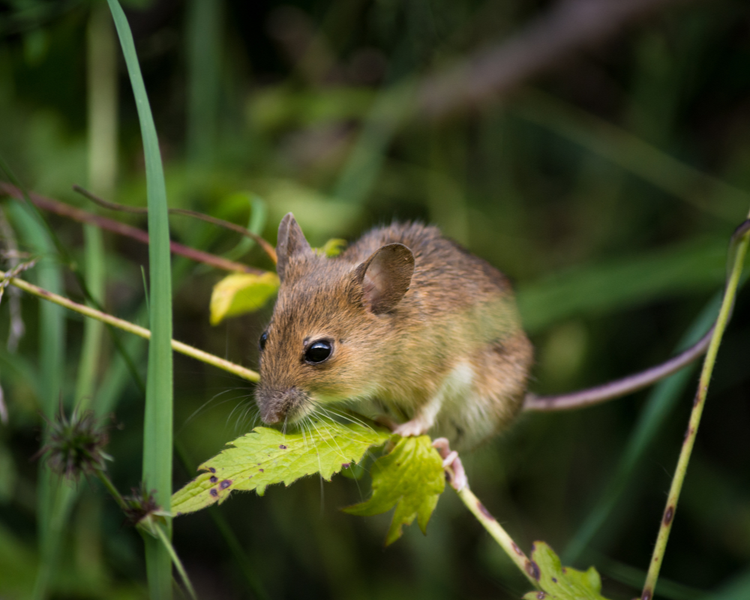
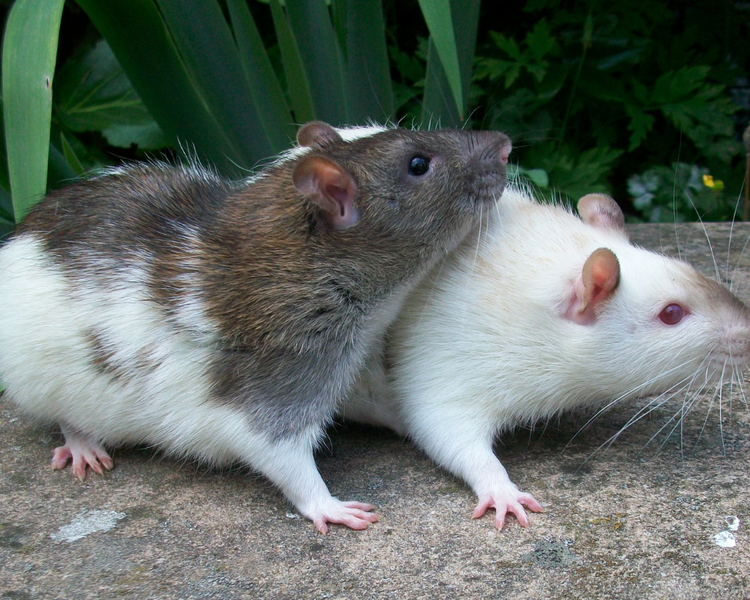
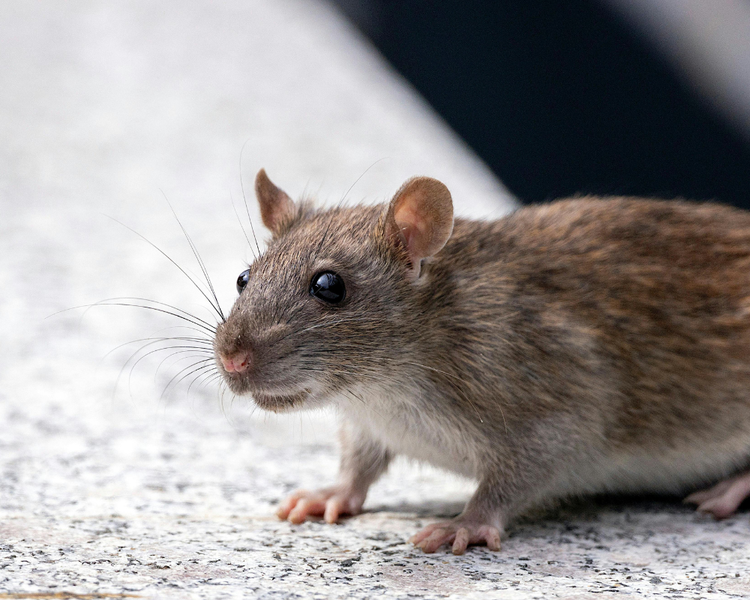
Size and droppings do most of the identifying work. A house mouse is small with oversized ears and a thin tail; a rat is several times heavier with a thick, scaly tail. The deer mouse looks much like a house mouse but wears a sharply two-toned coat — brown back, stark white belly and feet. Roof and Norway rats differ mainly in build and where they nest.
| Species | Body length | Colour | Tail | Droppings | Where you’ll find it |
|---|---|---|---|---|---|
| House mouse | 7–10 cm | Grey-brown, paler belly | Thin, ~body length | 3–6 mm, pointed | Kitchens, pantries, wall voids |
| Deer mouse | 8–10 cm | Brown back, white belly & feet | Furred, bicoloured | Similar to house mouse | Garages, sheds, cottages, rural homes |
| Norway rat | 18–25 cm | Brown-grey, blunt nose | Thick, shorter than body | 12–19 mm, blunt ends | Basements, sewers, foundation burrows |
| Roof rat | 16–20 cm | Dark grey to black, sleeker | Thin, longer than body | 10–13 mm, pointed ends | Attics, rafters, upper storeys (rare here) |
If you can’t see the animal, the droppings and the entry-gap size tell the story: a mouse slips through an opening the width of a pencil (about 6 mm), a rat needs one closer to the width of a thumb (about 13 mm).
Damage & Health Risks at a Glance
Every rodent on this list gnaws constantly — teeth that never stop growing force it to — and wiring is a favourite target, which is why rodents are a documented cause of house fires of undetermined origin. All four contaminate food and surfaces with droppings and urine as they travel the same routes nightly. The health picture varies by species: house mice and rats are linked to salmonellosis and leptospirosis, while the deer mouse is North America’s primary reservoir for hantavirus — a rare but serious respiratory illness spread through disturbed droppings. Rats add heavier structural damage: they burrow under foundations and slabs and can undermine grade over time. For commercial kitchens and restaurants, a single sighting can mean a failed inspection, which is why food businesses lean on documented monitoring programs.
Seasonal Pattern in Ontario
Ontario’s climate keeps rodents active all year, but the pressure isn’t flat. Mice breed year-round indoors and push in hardest from late summer through fall as nights cool. Rats breed most aggressively outdoors through the warm months — the summer colony in a ravine or under a deck becomes the autumn invasion of the basement next door. Deer mice follow the harvest and the first cold snaps, moving from fields and woodlots into garages, sheds and cottages. Cottage country — Muskoka, Orillia and the lakes — sees a distinct shoulder-season surge as seasonally closed cabins sit empty and inviting. The lesson holds across all of them: seal and defend the exterior before the fall migration, not after.
When to Call a Professional
A single stray mouse caught early can sometimes be handled with careful DIY. Anything more — droppings in more than one room, scratching in the walls, a musky odour, or any confirmed rat — is past the DIY line. Rodents breed too fast and re-enter through gaps homeowners rarely find, so store traps tend to thin the population without ever closing the building. Sani IQ’s approach reverses the odds: knock the population down, verify it, then seal the entry points in the right order so nothing dies in the walls. Every rodent job is backed by our Pest-Free-Or-It’s-Free guarantee. Start with our mice control cost guide or rat control cost guide for exact numbers, or book straight from our contact page.
References
- City of Toronto — Rodent Control
- Alberta.ca — How to Identify a Rat
- Internet Center for Wildlife Damage Management — Norway Rats
Last updated: July 16, 2026 · Reviewed by Sani IQ licensed technicians