
Why Innisfil Homes See More Mosquitoes — A Lake Simcoe Pest Control Guide (2026)
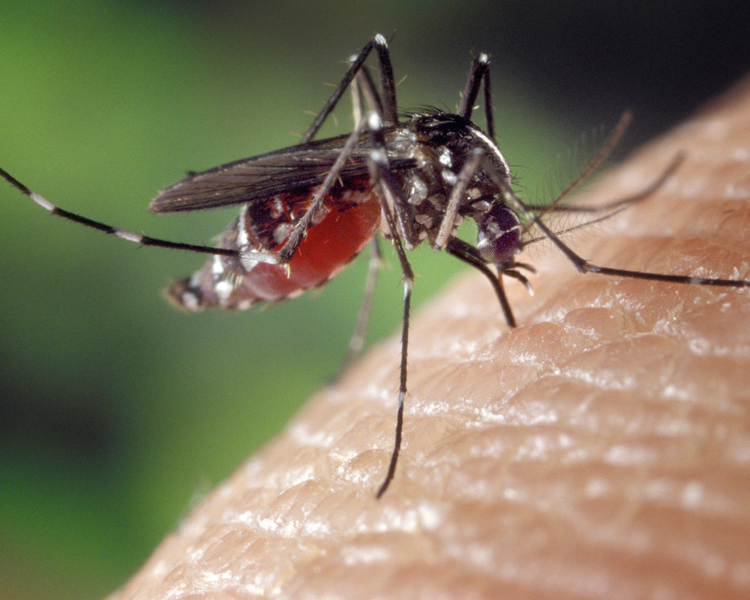
Quick answer: Innisfil wraps around Cook’s Bay, the warm, shallow, weedy south end of Lake Simcoe fed by the Holland River and marsh. All that slow, standing water gives mosquitoes ideal breeding habitat right beside lakeside neighbourhoods. In a well-kept Innisfil home, a backyard you can’t use at dusk shouldn’t be your normal — and it doesn’t have to be.
If you live in Alcona, Lefroy, Belle Ewart, Big Bay Point or anywhere along Innisfil’s Lake Simcoe shoreline, you already know the drill: the barbecue is set, the evening is warm, and by dusk the mosquitoes chase everyone inside. Innisfil is one of the most water-rich communities in Simcoe County, and standing water is exactly where mosquitoes breed. In a well-run home the standard is a backyard you can actually use after dinner — and that’s achievable here with the right approach, not a fog that wears off by the weekend.
Why are mosquitoes so bad in Innisfil?
Water, and the warm, shallow kind mosquitoes love most. Innisfil lines the western and southern edge of Cook’s Bay — the shallow, weedy southern arm of Lake Simcoe fed by the Holland River as it drains the Holland Marsh. Shallow, warm, slow-moving water thick with vegetation is close to a perfect mosquito nursery: it warms quickly in summer, the weeds shelter larvae from wind and predators, and the marsh and shoreline hold water long after rain.
Add Innisfil’s low, flat lakeside lots, drainage ditches, treed cottage properties and the humidity that rolls off the bay, and you get a landscape that grows and holds mosquitoes close to where people live. It’s the same reason the shoreline that makes Innisfil beautiful also makes it buggy.
| Why the Lake Simcoe shore fuels mosquitoes | What it means for your yard |
|---|---|
| Cook’s Bay — shallow, warm, weedy water | Fast-warming water ideal for larvae |
| Holland River & Holland Marsh drainage | Large wetland breeding source nearby |
| Flat, low lakeside lots and ditches | Rain and runoff pool and sit on-property |
| Humid air off the bay, treed cottage lots | Shaded, damp resting spots for adults |
| Long shoreline growing season | A longer local mosquito season than inland |
How much can an Innisfil homeowner actually do?
More than you’d think, because much of what bites you is homegrown. You can’t drain Cook’s Bay or the marsh, but mosquitoes are weak flyers that mostly stay within a short distance of where they hatched. That means on-property breeding water and shaded resting zones have an outsized effect on how bad your own yard feels. A mosquito can complete its whole life cycle in the water held in a saucer, a clogged eavestrough, a kayak left upright or a fold in a boat cover — and near the bay, that water rarely dries out fast.
The other reason it matters is health. Mosquitoes in Simcoe County aren’t only a nuisance — they’re the vector for West Nile virus. The Simcoe Muskoka District Health Unit runs mosquito surveillance every summer, setting traps weekly and dipping for larvae in ponds, catch basins and storm-water sites from spring through fall, then testing the mosquitoes for the virus. In 2025 the health unit confirmed West Nile-positive mosquito pools and birds in Simcoe County communities including Barrie and New Tecumseth, along with a human case in the county. Reducing the mosquito population around your home lowers both the bites and the exposure.
What should I check around my Innisfil yard right now?
Mosquitoes breed in standing water and rest in shade. A quick circuit of the property removes most of the on-site nurseries before they produce the next generation.
- Empty standing water weekly — saucers, buckets, kids’ toys, wheelbarrows, tarps and anything that catches rain.
- Flip and drain the lake gear — kayaks, canoes, boat covers, coolers and paddleboards hold pockets of water that sit for days near the shore.
- Clear and level eavestroughs — clogged or sagging troughs hold water and are a classic overlooked breeding site.
- Drain the low spots — regrade or fill the damp, low-lying areas and ditches where runoff pools after storms.
- Open up the shade — trim dense, damp vegetation along fences and the shoreline where adult mosquitoes rest during the day.
These steps cut the mosquitoes you grow yourself, but a lakeside lot stays under pressure from the bay and marsh nearby. A targeted barrier treatment of the resting zones — the shaded, humid areas where adults wait out the day — is what makes the yard usable at dusk, and it’s hard to match with yard maintenance alone.
Is a DIY approach enough near the lake, or is professional treatment worth it?
DIY handles the water; it rarely handles the adults. Emptying containers and clearing troughs genuinely reduces on-property breeding and is worth doing every week. But near Cook’s Bay you’re also absorbing mosquitoes hatched off the marsh and shoreline, and store-bought foggers and candles only clear the air for minutes. The honest trade-off is time and reach, not money:
| DIY yard work | Professional barrier treatment | |
|---|---|---|
| Removes on-property breeding water | Yes, if done weekly | Yes, plus a trained inspection finds hidden sites |
| Treats shaded adult resting zones | Hard to do well | Yes — the core of the service |
| Lasting relief at dusk | Hours to a day | Several weeks per application |
| Your time | A recurring weekly chore all season | Booked and handled — none |
| Best for | Low-pressure inland lots | Lakeside and marsh-adjacent properties |
For a shoreline property under steady pressure, the durable answer pairs the water removal you do with a professional treatment of the resting zones. That’s the difference between a yard that’s briefly tolerable and one you can actually book and forget about.
Why living on Lake Simcoe means a local approach
Mosquito control in Innisfil is about your yard and the water around it. A lot near Cook’s Bay or the marsh faces steady pressure, so the work focuses on removing on-site breeding water and treating the shaded resting zones — not a single fog that’s gone by the weekend. Durable pest control in Innisfil targets both. Sani IQ also serves nearby pest control in Barrie and mosquito control in Orillia across the Lake Simcoe shore, and you can see what treatment costs in our Ontario mosquito control price guide.
Why Sani IQ
Sani IQ is a licensed, science-based Ontario pest-control company built on Integrated Pest Management, with 100+ five-star reviews and transparent, published pricing. For mosquitoes we identify and eliminate on-property breeding water and treat the shaded resting zones where adults concentrate, reducing both bites and West Nile exposure — all backed by our “Pest-Free, OR It’s Free” guarantee. We handle mosquito control across Innisfil and the Lake Simcoe shore; one-time backyard treatments start from $147 (see plans and pricing).
The bottom line
Innisfil’s place on Cook’s Bay — shallow, warm, weedy water fed by the Holland River and marsh — is why mosquitoes thrive here. You can’t drain the bay, but you can win your own yard: clear the standing water you create, treat the resting zones, and take back the backyard at dusk.
Backyard unusable after dinner? Call (705) 302-1887 or book a quick assessment at /contact/.
Frequently asked questions
Why does Innisfil have more mosquitoes than inland towns? Innisfil wraps around Cook’s Bay, the shallow, warm, weedy south end of Lake Simcoe fed by the Holland River and marsh. That slow, standing water warms fast and shelters larvae, giving mosquitoes far more breeding habitat than drier inland areas — and a longer local season along the shore.
If the breeding water is in the bay and marsh, can I do anything? Yes. Mosquitoes are weak flyers that stay near where they hatch, so removing on-property water and treating resting zones has a big effect on your own yard. Much of what bites you in the backyard hatched in the backyard or a nearby ditch, not out on the lake.
Are Innisfil mosquitoes a health risk? They can be. Simcoe County mosquitoes are the vector for West Nile virus, which the Simcoe Muskoka District Health Unit monitors every summer with weekly trapping and larval surveillance. In 2025 the health unit confirmed positive mosquito pools and a human case in the county. Reducing the population near your home lowers the exposure.
How long does mosquito treatment last? A barrier treatment typically gives several weeks of reduction before it needs renewal through the season. Lakeside properties under steady pressure from the bay and marsh often choose a seasonal program rather than a single application, so the yard stays usable all summer.
What’s the single most effective thing I can do? Eliminate standing water weekly — saucers, eavestroughs, tarps, ditches and upturned lake gear. Combined with treating the shaded resting zones, removing breeding water is the highest-impact step for an Innisfil yard near Cook’s Bay.
Does Sani IQ service the whole Innisfil shoreline? Yes. Sani IQ treats properties across Alcona, Lefroy, Belle Ewart, Big Bay Point and the surrounding Lake Simcoe shore, as well as nearby Barrie and Orillia. Call (705) 302-1887 for a quick assessment and transparent, published pricing.
Need a Pest Control Expert?
Free quotes. Same-day available. Guaranteed results.