
How to Get Rid of Fruit Flies in Your Ontario Kitchen (2026)
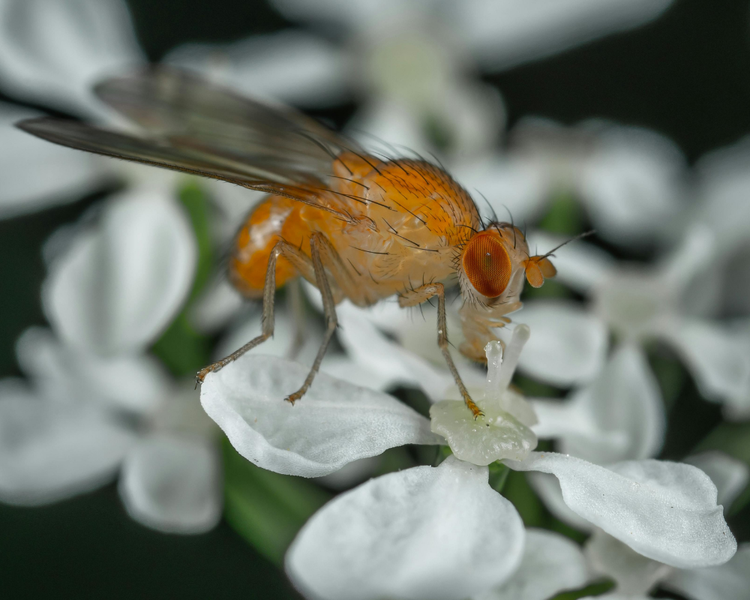
Quick answer: To get rid of fruit flies in an Ontario kitchen, remove the breeding source, not just the adults. Toss overripe produce, scrub sink and floor drains, and wipe up sugary spills, then set an apple-cider-vinegar trap to catch stragglers. A tidy kitchen goes fly-free in about a week. Sani IQ handles stubborn or recurring cases across Ontario.
A cloud of tiny flies rising off the fruit bowl every time you walk past is one of summer’s most maddening problems. You wipe the counter, empty the bin, and they are back within the hour. In a well-run home, a persistent haze of fruit flies is not a minor nuisance to live with, it is a sign something is quietly rotting or fermenting where you cannot see it. This guide shows you how to find that source, clear the flies fast, and keep them out for the rest of an Ontario summer.
The reason they feel impossible to beat is simple biology, and once you understand it the fix becomes obvious.
Why do fruit flies appear out of nowhere?
Fruit flies do not “come from” your fruit bowl by magic. Females lay eggs on the surface of fermenting produce and in the film inside drains, and under warm summer conditions a fruit fly can develop from egg to adult in just eight to ten days, according to Oklahoma State University Extension. A single female lays roughly 50 to 70 eggs a day. That is why two flies on Monday become a swarm by the weekend, and why killing the adults you can see does nothing about the hundreds developing out of sight.
They appear “out of nowhere” because the eggs arrive already on the skin of grocery-store fruit, then hatch when the produce ripens on your counter. Ontario’s peak berry, stone-fruit, and tomato season from July through September is prime fruit-fly weather.
Are fruit flies actually harmful, or just annoying?
They are more than annoying. Because fruit flies move between drains, garbage, and the food you are about to eat, they can carry bacteria onto clean surfaces. A study published in the Journal of Food Protection found fruit flies capable of transferring E. coli, Salmonella, and Listeria, and that transfer from a contaminated fly to fresh food exceeded 50 percent in testing. On average a single fly carried around 1,000 foreign bacteria. In a kitchen, that is a food-safety issue, not just an eyesore.
Is it fruit flies, drain flies, or fungus gnats?
Getting rid of the problem starts with correctly naming it, because each of these tiny flies breeds in a different place. Treating for the wrong one wastes days. Here is how to tell them apart at a glance.
| Pest | Looks like | Where it breeds | The tell |
|---|---|---|---|
| Fruit fly | ~3 mm, tan-brown, often red eyes | Overripe fruit, spills, recycling, drains | Hovers over the fruit bowl and open drinks |
| Drain fly | Fuzzy, moth-like, grey wings | Slime film inside sink and floor drains | Rests on walls near the sink; weak, fluttery flier |
| Fungus gnat | Slender, dark, mosquito-like, dangling legs | Damp houseplant soil | Rises in a puff when you water a plant |
If the flies swarm the produce, you have fruit flies and this guide is for you. If they cling to the bathroom wall or erupt from a potted plant, you are chasing a different pest and the fix is the drain or the soil, respectively.
[VIDEO EMBED: https://www.youtube-nocookie.com/embed/hH5x41wj91o — Sani IQ home inspection/prevention. Keep as youtube-nocookie/embed; NEVER change to youtube.com/shorts or /watch — they render blank.]
How do I get rid of fruit flies fast?
Clear them in two moves: eliminate every breeding site so no new flies hatch, then trap the adults still flying. Do the first without the second and traps stay full forever; do the second without the first and you are trapping a fraction of a population that keeps replacing itself. Work through the checklist below in order.
- Find and remove the source. Throw out overripe or split fruit, empty the compost and recycling (rinse the containers), and check for a forgotten potato, onion, or fruit that rolled behind the bin.
- Clean the drains. Pour boiling water down the kitchen sink, then scrub the inside of the drain with a bottle brush to break up the fermenting film flies breed in. Do the same for any floor or bar-sink drain.
- Wipe every sugary residue. Sticky spots under the toaster, behind the recycling, the seal of a wine or juice bottle, the drip tray of a fridge water dispenser, and the mop bucket all qualify.
- Set an apple-cider-vinegar trap. Half a cup of cider vinegar plus a drop of dish soap in a glass, covered with plastic wrap poked with a few holes, will pull in and drown the remaining adults within a day or two.
- Take out the garbage nightly until you have gone 48 hours without seeing a single fly.
- Store produce in the fridge for the rest of the summer, or under a mesh cover, so new arrivals have nothing to lay eggs on.
Done thoroughly, a home kitchen clears in about a week, one full fly generation.
Do store-bought fruit fly sprays work?
Aerosol sprays kill the adults in front of you and do nothing to the eggs and larvae in the drain or the compost, so the swarm rebuilds in days. Sprays also put pesticide mist over the surfaces where you prepare food, which is exactly where you do not want it. Source removal and sanitation, not a can of spray, is what actually ends a fruit-fly problem.
When is it worth calling a professional?
Most single-source kitchen infestations are a homeowner fix, and we will always tell you that honestly. Calling a pro makes sense when the source is hidden, the problem is recurring, or the stakes are high, for example a home you are selling, a rental unit, or any kitchen serving the public. The table below frames the real trade honestly.
| Factor | Do it yourself | Sani IQ professional service |
|---|---|---|
| Best for | One obvious source, a handful of flies | Recurring swarms, hidden source, commercial kitchens |
| Finds the hidden source | You inspect and guess | Trained inspection of drains, voids, and equipment |
| Your time | 2–4 hours plus a week of nightly cleanup | One booked visit; you carry on with your day |
| Recurrence | Common if a source is missed | Root-cause fix with a return guarantee |
| Cost | Cheap, but repeated if it fails | Transparent quote, resolved once |
The honest read: for a busy household with zero tolerance for flies in the kitchen, the DIY route costs you a week of vigilance and still leaves a persistent case unsolved. Booking it means someone finds the source you cannot, and you forget about it.
Fruit flies in Ontario: what makes summer 2026 worse
Ontario’s warm, humid July-through-September stretch is the fruit fly’s ideal breeding window, and every extra degree speeds up that eight-to-ten-day cycle. Homes across the GTA and Durham Region see the sharpest spikes when local berries, peaches, and garden tomatoes hit kitchens at once. If flies keep coming back despite a clean kitchen, the source is often a drain, a leaking fridge line, or a recycling bin in the garage, and that is where our licensed technicians providing pest control in Etobicoke, Oshawa, and Whitby start their inspection.
Fruit flies are also one of the most common reasons Ontario restaurants and cafes fail a health inspection, which is why our commercial pest elimination program treats them as a food-safety priority, not a nuisance.
Why Sani IQ
Sani IQ is a licensed, science-based Ontario pest-control company with more than 100 five-star reviews. Our approach is integrated pest management, meaning we solve the cause, sanitation and moisture sources, rather than fogging your kitchen with chemicals and hoping. We are a genuine local operator who knows Ontario’s pest seasons first-hand, we quote transparently, and every treatment is backed by our “Pest-Free, OR It’s Free” guarantee. If you have cleaned thoroughly and the flies still come back, that is our cue, not yours, to find what is feeding them.
The bottom line
Fruit flies win on speed, so you win by cutting off what they breed in. Clear the sources, scrub the drains, trap the stragglers, and a normal kitchen goes fly-free in about a week. If they keep returning despite a clean kitchen, the source is hidden, and that is worth a professional set of eyes. Book it and forget about it: call Sani IQ at (705) 302-1887 or request a quote, and decide for yourself whether professional pest control is worth it for your home.
Frequently asked questions
How long does it take to get rid of fruit flies?
With the source removed and drains cleaned, a home kitchen typically clears in about a week, the length of one fruit-fly generation. If flies persist beyond ten days of thorough cleaning, a breeding site is still active somewhere, most often a drain, a spill under an appliance, or a bin you have not checked.
Where do fruit flies lay their eggs?
On the surface of fermenting or overripe produce, in the sugary film inside sink and floor drains, in recycling and compost residue, and in spilled juice, beer, or wine. A female lays roughly 50 to 70 eggs a day, so even a small missed source repopulates a kitchen quickly.
Does apple cider vinegar actually kill fruit flies?
An apple-cider-vinegar trap with a drop of dish soap reliably catches and drowns adult flies, but it is only half the solution. Traps reduce the visible swarm while you eliminate the breeding source. On their own, without sanitation, traps never fully clear an infestation because new adults keep hatching.
Are fruit flies a health risk?
Yes. Research in the Journal of Food Protection showed fruit flies can transfer E. coli, Salmonella, and Listeria from contaminated material to fresh food, with transfer rates above 50 percent in testing. Because they move between drains, garbage, and your food, they are a genuine food-safety concern, not just an annoyance.
Why do I have fruit flies when there is no fruit out?
Fruit flies also breed in drains, damp mop heads, recycling residue, a leaking fridge water line, and forgotten produce that rolled out of sight. If flies appear with no fruit on the counter, check these hidden fermenting sources, they are the usual culprits when a kitchen looks clean but still swarms.
Do fruit flies go away on their own?
Only if their food source disappears. As long as there is fermenting produce, a dirty drain, or a sugary spill to breed in, the population sustains itself and grows. Remove every source and the flies die off within a generation; leave one and they persist indefinitely.
Need a Pest Control Expert?
Free quotes. Same-day available. Guaranteed results.