
The Rabies Reality: Safety Protocols for Handling Wildlife Encounters
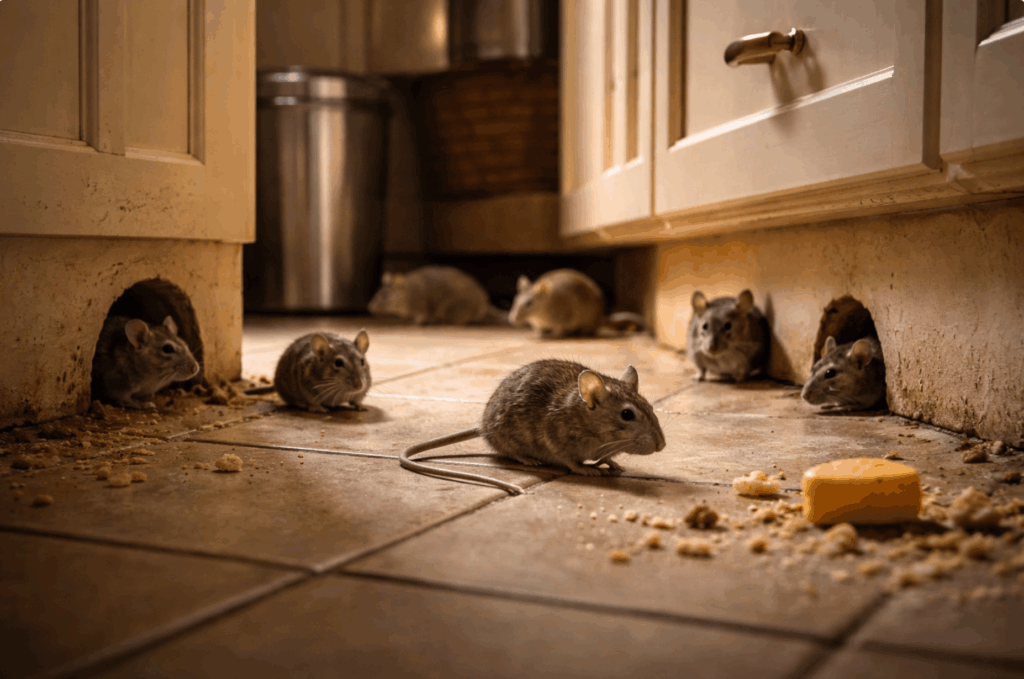
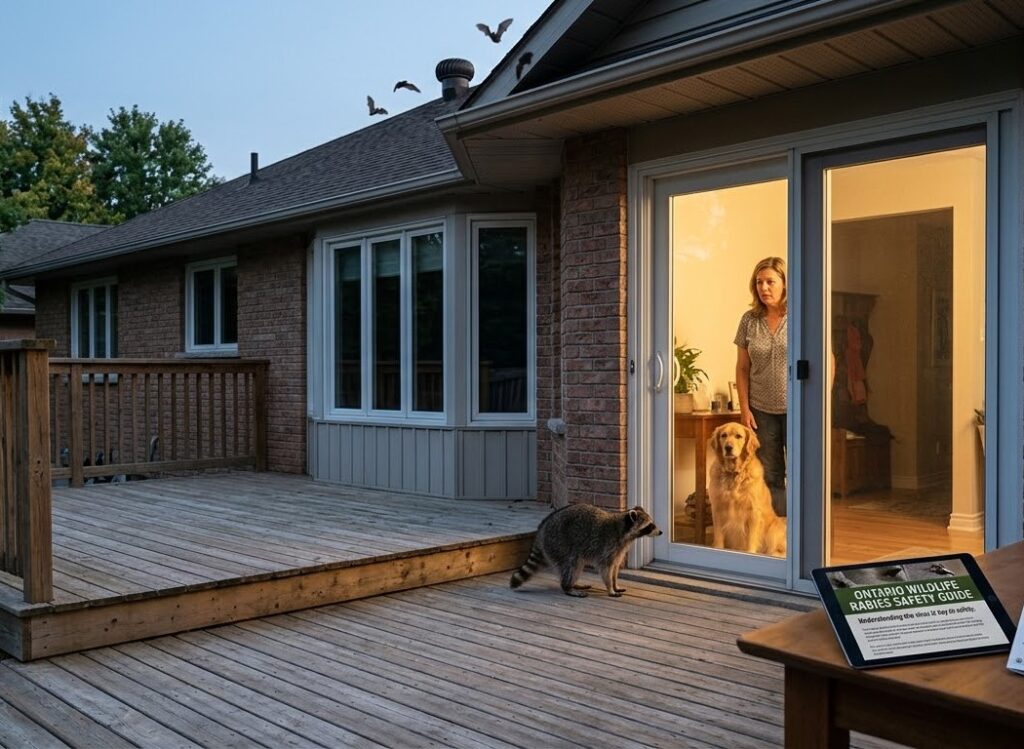
In Ontario, seeing a raccoon on your deck or a bat in your attic isn’t just a nuisance—it is a significant health risk. While most animals are shy, understanding wildlife rabies safety is the best way to keep your family and pets safe. If you are also dealing with other pests, you may want to read our guide on house mice identification to ensure your home is fully protected.
Understanding how the virus spreads and knowing exactly what to do during an encounter is the best way to keep your family and pets safe.
Understanding Wildlife Rabies Safety in Ontario
Rabies is a fatal but preventable viral disease that attacks the central nervous system. In the GTA, the most common carriers are bats, raccoons, and skunks. According to the Government of Ontario’s rabies page, the virus is most often spread through saliva via a bite or scratch.
In Ontario, the most common “vectors” (carriers) of rabies include:
- Bats: The most frequent source of human rabies exposure.
- Raccoons: Highly active in urban areas like Mississauga and Toronto.
- Skunks: Often found in residential backyards.
- Foxes: More common in rural or wooded Ontario outskirts.
Identifying Potential Risks for Wildlife Rabies Safety
You cannot tell if an animal has rabies just by looking at it, but certain “clue” behaviors should trigger immediate caution.
Warning Signs Include:
- Uncharacteristic Tameness: A normally shy animal (like a fox or raccoon) approaching humans without fear.
- Nocturnal Animals Out at Midday: While not always a sign of rabies, seeing a disoriented raccoon in bright sunlight is a red flag.
- Physical Distress: Paralysis, staggering, or “seizing” movements.
- Aggression: Snapping at inanimate objects or unprovoked attacks.
- Excessive Salivation: The classic “foaming at the mouth” appearance.
Essential Wildlife Rabies Safety Protocols
If you encounter wildlife on your property that appears sick or aggressive, follow these steps immediately:
1. Maintain a Safe Distance
Never attempt to corner, move, or “help” a sick animal yourself. Keep children and pets inside. A cornered animal is more likely to lash out.
2. Secure Your Pets
Ensure your dogs and cats are up to date on their rabies vaccinations. This is not just a health recommendation; it is a legal requirement in Ontario. If your pet has a confrontation with wildlife, contact your veterinarian immediately.
3. Do Not Feed Wildlife
Feeding raccoons or squirrels encourages them to lose their natural fear of humans, increasing the likelihood of a dangerous encounter. Secure your green bins and outdoor pet food bowls.
4. Bat Safety
If you find a bat inside your living space, do not release it until you have spoken to a healthcare professional or local Public Health unit. Because bat bites are so small, you may not even know you’ve been bitten while sleeping.
What to Do if You Are Exposed
If you are bitten or scratched by a wild animal, or if saliva gets into an open wound or your eyes/mouth:
- Wash the wound: Immediately use soap and water for at least 15 minutes.
- Seek medical attention: Go to the nearest emergency room or contact your doctor.
- Report the incident: Contact your local Ontario Public Health unit. You should also report the incident to your local Public Health unit. They track rabies cases and will determine if you need the post-exposure prophylaxis (PEP) vaccine.
Why Professional Wildlife Management is Key
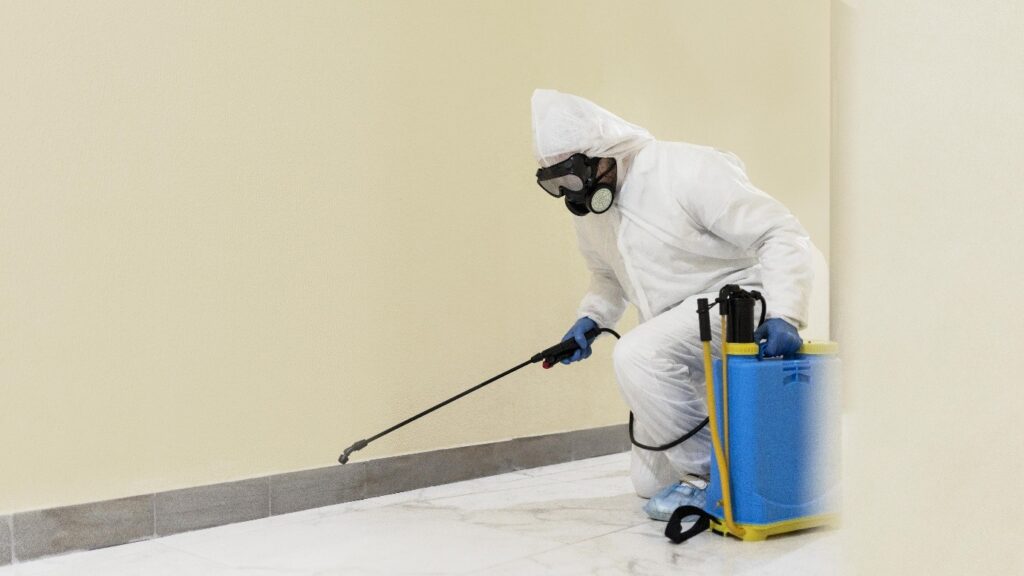
Attempting DIY wildlife removal increases your risk of physical injury and disease exposure. Professionals have the proper PPE (Personal Protective Equipment) and training to handle these situations safely.
At Sani IQ, our wildlife safety approach includes:
- Humane Removal: We use industry-standard techniques to remove animals without unnecessary stress or contact.
- Exclusion Services: Identifying and sealing the “weak spots” in your roofline, vents, and foundation where wildlife enters.
- Sanitization: Cleaning nesting areas to remove dangerous droppings (raccoon roundworm) and bacteria.
- Long-Term Prevention: Strategies to make your property less attractive to high-risk species.
Protect Your Home with Sani IQ
Wildlife encounters are a part of life in Ontario, but they don’t have to be a danger to your health. If you suspect an animal has taken up residence in your attic, crawl space, or under your deck, don’t wait for a confrontation.
Contact Sani IQ today for a professional wildlife assessment and keep your “Rabies Reality” one of safety and prevention.