
While the sight of a cockroach often triggers an immediate “ick” factor, the true danger lies in what you cannot see. For families in Ontario, the link between cockroach allergens and childhood asthma is a significant medical concern. These pests do more than just scavenge for food; they leave behind microscopic biological markers that can severely impact a child’s ability to breathe.
Understanding the mechanics of these allergens is the first step in creating a “respiratory-safe” zone in your home. Unlike other pests that may pose a biting threat, cockroaches damage health through the air we breathe.
What Are Cockroach Allergens?
Cockroach allergens are not a single substance but a combination of biological materials left behind as the pests move through your home. According to the American Lung Association, these allergens primarily originate from:
- Fecal Matter: Small, pepper-like droppings found in cabinets and corners.
- Saliva: Deposits left on food preparation surfaces and utensils.
- Shed Skins: The chitinous exoskeletons cast off during the molting process.
- Decaying Bodies: Particles from dead roaches that break down and mix with household dust.
When these materials become dry, they fragment into tiny particles that float in the air. In a home with an active infestation, children inhale these particles, which can lead to chronic inflammation of the airways.
Why Children are Most Vulnerable to Cockroach Allergens and Childhood Asthma
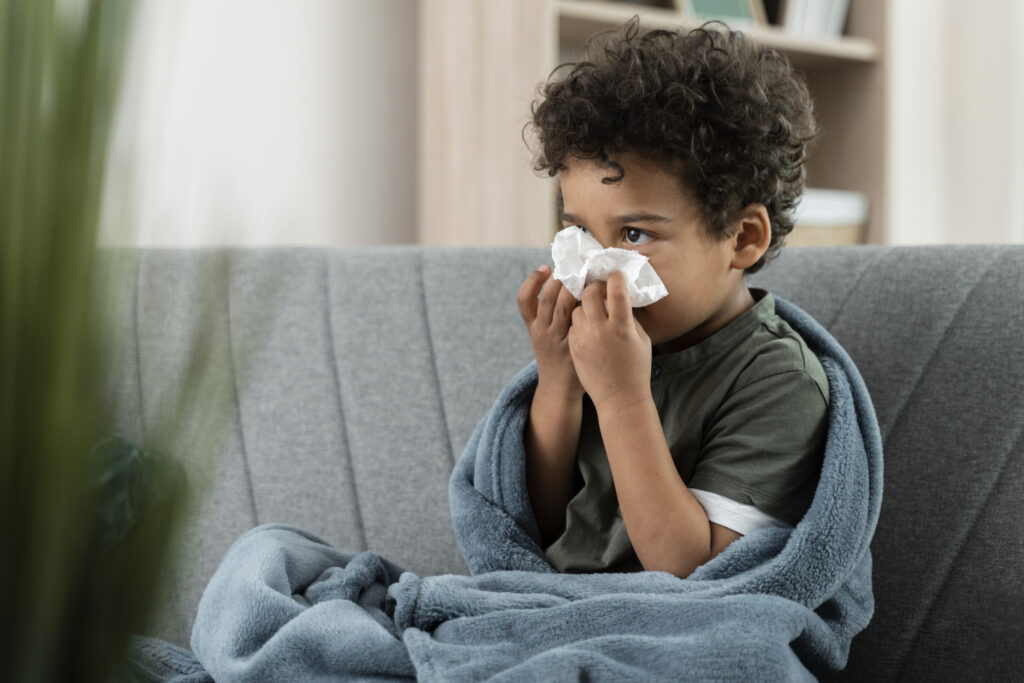
Children are disproportionately affected by poor air quality for several physiological reasons. Because their lungs are still developing, they are more sensitive to environmental irritants. Additionally, children have a higher breathing rate than adults, meaning they inhale more airborne allergens relative to their body weight.
Furthermore, toddlers spend a significant amount of time playing on floors and carpets where settled dust—and the allergens it contains—is most concentrated. Research indicates that children living in homes with high allergen levels are significantly more likely to experience frequent asthma attacks and emergency room visits.
Signs of a Health-Threatening Infestation
You do not need to see a “swarm” of insects to have a health risk. Cockroaches are nocturnal and highly adept at hiding in wall voids and behind appliances. The allergens often build up long before the insects are seen during daylight hours.
Warning indicators include:
- Chronic Coughing or Wheezing: Symptoms that seem to flare up specifically when the child is indoors or at night.
- Musty, Oily Odors: A pungent scent that lingers in the kitchen, bathroom, or laundry room.
- Smear Marks: Dark, irregular streaks found along baseboards or where walls meet floors.
- Tiny Black Specks: Droppings that resemble grains of black pepper in the back of drawers or under sinks.
Prevention Strategies for Cockroach Allergens and Childhood Asthma
To lower the risks associated with cockroach allergens and childhood asthma, you must implement a strategy that focuses on sanitation and exclusion.
- Eliminate Moisture: Fix leaky faucets and pipes immediately. Cockroaches require water to survive and are frequently drawn to the damp areas under kitchen and bathroom sinks.
- HEPA Filtration: Regular vacuuming is essential, but you must use a vacuum equipped with a HEPA filter. Standard vacuums often exhaust microscopic allergens back into the room.
- Airtight Food Storage: Store all dry goods—including pet food—in airtight glass or hard plastic containers.
- Seal Interior Gaps: Use high-quality caulk to seal openings where plumbing pipes enter walls, as these are the primary “highways” cockroaches use to travel between rooms.
The Professional Sani IQ Advantage
When the health of a child is the priority, over-the-counter sprays and “bug bombs” are often counterproductive. These aerosols can actually further irritate sensitive lungs.
At Sani IQ, we focus on Integrated Pest Management (IPM). Our technicians use precision gel baits that cockroaches carry back to the nest, eliminating the colony at its source without filling your home with airborne chemicals. We identify the specific “harborages” where allergens are building up and provide the structural exclusion needed to keep pests out for good.
Don’t let cockroach allergens and childhood asthma compromise your family’s comfort. Contact Sani IQ today for a professional, health-focused inspection and reclaim your home’s air quality.