
Silverfish Diet Explained: Why Your Books, Wallpaper, and Clothes Are at Risk
If you have noticed small holes in your books, yellow stains on wallpaper, or damage to stored clothing, silverfish diet may be the hidden cause. These pests are not just harmless insects—they are destructive feeders that target common household materials.
Unlike many pests, silverfish diet do not rely on traditional food sources alone. Instead, they consume materials rich in starches and sugars. Because of this, everyday items in your home can quickly become feeding grounds.
Therefore, understanding what silverfish eat is the first step toward protecting your belongings and preventing costly damage.
What Do Silverfish Eat?
Silverfish have a unique diet that allows them to thrive in indoor environments. In particular, they are attracted to substances containing polysaccharides, which are found in many household materials.
Common food sources include:
- Paper and books
- Wallpaper and glue
- Fabrics such as cotton, linen, and silk
- Pantry items like flour and cereals
- Dust, debris, and organic particles
Moreover, silverfish can survive for long periods without food. As a result, infestations can persist even in seemingly clean homes.
Why Silverfish Target Books and Paper Products
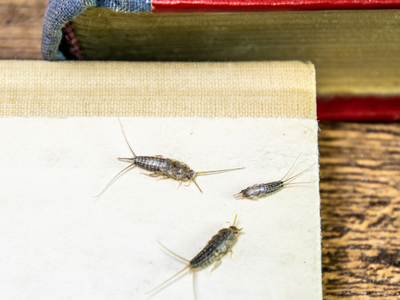
Books, magazines, and important documents are especially vulnerable to silverfish damage. This is because paper contains cellulose, a carbohydrate that silverfish can digest.
Additionally, book bindings and adhesives often contain starch-based glues. Therefore, silverfish are not only eating the pages but also the materials holding them together.
Over time, this feeding behavior leads to:
- Irregular holes in pages
- Yellow staining or discoloration
- Weakening of book bindings
Consequently, valuable items such as documents, photos, and collections can suffer permanent damage.
How Wallpaper and Glue Attract Silverfish
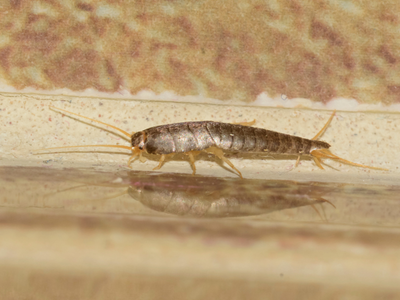
Wallpaper is another prime target due to the adhesives used during installation. These glues often contain starches that silverfish find highly appealing.
Furthermore, wallpaper in humid areas becomes even more attractive. As a result, infestations are commonly found in bathrooms, basements, and poorly ventilated rooms.
Signs of damage may include:
- Peeling edges or lifted wallpaper
- Small scrape marks on surfaces
- Faded or uneven patches
Therefore, what may seem like normal wear could actually indicate a growing infestation.
Why Clothes and Fabrics Are at Risk
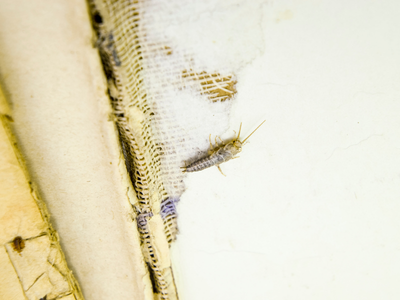
Although silverfish prefer paper and glue, they will also feed on certain fabrics. Natural fibers such as cotton, silk, and linen are particularly vulnerable.
This is especially true if the clothing is:
- Stored for long periods
- Slightly soiled with sweat or food stains
- Kept in dark, humid spaces
Because of this, closets, storage bins, and laundry areas can become hidden feeding zones.
As a result, you may notice:
- Small holes in garments
- Surface grazing or thinning fabric
- Yellowish stains on clothing
Conditions That Encourage Silverfish Feeding
Silverfish are more likely to damage your belongings when the environment supports their survival.
Key contributing factors include:
- High Humidity: Moisture helps silverfish thrive and reproduce
- Darkness: They avoid light and prefer undisturbed areas
- Clutter: Stacks of paper and storage boxes provide both food and shelter
- Poor Ventilation: Trapped moisture creates ideal living conditions
Therefore, even a well-maintained home can become vulnerable if these conditions are present.
Why DIY Solutions Often Fall Short
Many homeowners attempt to control silverfish using basic cleaning or store-bought products. However, these methods often fail to address the root problem.
For instance, while cleaning may remove visible insects, it does not eliminate hidden populations or eggs. Moreover, silverfish can survive in wall voids, under flooring, or behind fixtures.
As a result, infestations tend to return over time.
How to Protect Your Home and Belongings
To reduce the risk of silverfish damage, a proactive approach is essential.
Effective Prevention Tips:
- Store books and documents in dry, sealed containers
- Use dehumidifiers to control moisture levels
- Keep clothing clean and properly stored
- Reduce clutter, especially paper and cardboard
- Seal cracks and entry points around your home
Additionally, regular inspections can help detect early signs before damage becomes severe.
Why Professional Silverfish Control Is the Best Solution
While prevention helps, established infestations require professional treatment. This is because silverfish are highly resilient and difficult to eliminate completely.
At Sani IQ, our approach focuses on:
- Targeted Treatments: Eliminating silverfish at all life stages
- Moisture Management: Addressing the root cause of infestations
- Detailed Inspections: Identifying hidden activity areas
- Long-Term Prevention: Keeping your home protected
As a result, you receive a comprehensive solution rather than a temporary fix.
Protect What Matters Most
Silverfish may be small, but the damage they cause can be significant. From books and wallpaper to clothing and stored items, their feeding habits put your belongings at risk.
However, with the right knowledge and professional support, you can prevent long-term damage and keep your home safe.
If you suspect silverfish activity, do not wait for the damage to spread. Contact Sani IQ today and take the first step toward protecting your home and everything in it.